


Excise taxes and sales taxes both generate government revenue, but they work in fundamentally different ways. Sales taxes apply broadly to most retail purchases at a uniform percentage rate, appearing as a line item at checkout. Excise taxes, by contrast, target specific goods, like gasoline, tobacco and alcohol, and are often incorporated into the product’s price. While sales tax rates typically range from 4% to 10% depending on location, excise taxes usually apply as either percentage-based or fixed amounts per unit, sometimes resulting in much higher effective tax rates on particular products.
Taxes can play an important role in financial planning. Connect with a financial advisor for free to talk about your financial plan.
Excise Tax vs. Sales Tax: What Are They?
Sales taxes function as consumption taxes imposed by state and local governments on a wide array of goods and services. When you purchase clothing, electronics or restaurant meals, the sales tax gets calculated as a percentage of the purchase price and added to your total at the point of sale. The tax rate varies by jurisdiction. Some states charge no sales tax at all, while others charge combined state and local rates that can exceed 10%.
In contrast, excise taxes operate as selective consumption taxes levied on specific products, usually those considered luxuries or items with social costs. The federal government and states impose these taxes on goods like cigarettes, alcoholic beverages, gasoline and firearms.
Unlike sales taxes that appear separately on receipts, excise taxes are typically included in the shelf price or pump price you see. These taxes can be structured as a fixed dollar amount per unit, such as 18.4 cents per gallon of gasoline, or as a percentage of the wholesale price. This tends to make them less visible to consumers than sales taxes.
Which States Charge Sales Tax?
Most states impose a statewide sales tax on retail purchases, though the rates vary considerably from one jurisdiction to another. Currently, 45 states and the District of Columbia collect sales tax, with state-level rates ranging from as low as 2.90% in Colorado to as high as 7.25% in California.
Five states have no statewide sales tax: Alaska, Delaware, Montana, New Hampshire and Oregon. However, residents of these states don’t always avoid sales taxes entirely. Alaska, for instance, allows local municipalities to impose their own sales taxes, so shoppers in cities like Juneau still pay sales tax on purchases.
Beyond the base state rate, many jurisdictions add local sales taxes from counties, cities and special districts. When you combine state and local rates, some areas see total sales tax rates exceeding 10%. Tennessee, Louisiana and Arkansas frequently rank among the states with the highest combined sales tax burdens.
Federal Excise Tax
The federal government relies on excise taxes to generate revenue from specific industries and products, particularly those with public health or environmental implications. These taxes serve a dual purpose: raising funds for government programs while discouraging consumption of certain goods through higher prices.
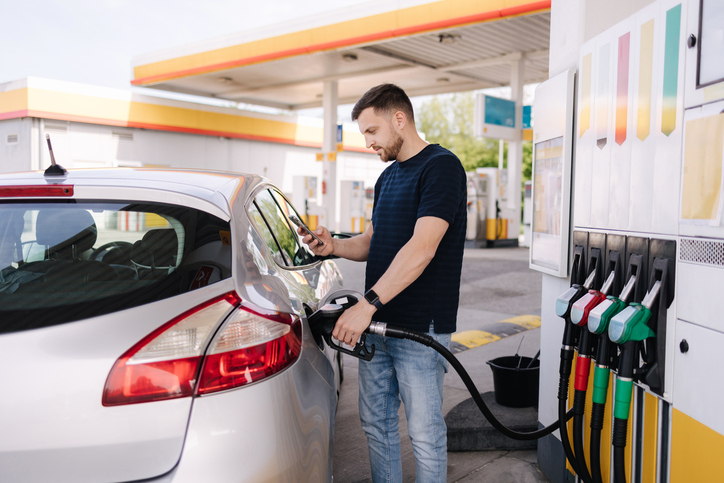
Transportation fuels represent one of the largest sources of federal excise tax revenue. The government collects 18.4 cents per gallon on gasoline and 24.4 cents per gallon on diesel fuel, with proceeds funding highway construction and maintenance through the Highway Trust Fund. Aviation fuel also carries federal excise taxes that support airport infrastructure and air traffic control systems.
Tobacco and alcohol products face substantial federal excise taxes as well. The federal cigarette tax is a $1.01 per pack. Different rates apply to cigars, pipe tobacco and smokeless tobacco products. Beer, wine and distilled spirits also have different tax structures based on alcohol content and production volume.
The federal government also imposes excise taxes on firearms, ammunition, fishing equipment, indoor tanning services and certain medical devices.
Do States Charge Excise Taxes?
State excise taxes layer on top of federal excise taxes and can vary widely depending on the product and jurisdiction. In many cases, states use these taxes to fund specific programs. For example, states often use gasoline excise taxes for road maintenance, bridge repair and transportation infrastructure. Meanwhile, tobacco and alcohol excise taxes may support public health initiatives or substance abuse treatment programs.
States also differ in how aggressively they leverage excise taxes as policy tools. Some impose relatively modest per-unit taxes designed primarily for revenue generation, while others set higher rates to intentionally discourage consumption. This divergence helps explain why the same product can carry dramatically different price tags across state lines, even before the addition of sales taxes.
For consumers, state excise taxes can influence everyday costs in subtle ways. Because the tax is embedded in the price, households may not realize how much they are paying in excise taxes annually. Over time, these costs can materially affect spending patterns, particularly for frequently purchased items like fuel or tobacco.
Bottom Line
Excise taxes and sales taxes both influence consumer costs, but they do so in different ways and for different reasons. Sales taxes apply broadly at the point of purchase. Meanwhile, excise taxes focus on specific products and are often embedded in the price. Together, these tax structures help explain why the tax burden varies widely across goods and across states, shaping what consumers ultimately pay.
Tax Planning Tips
- While excise and sales taxes are consumption-based, they still affect long-term financial outcomes. A financial advisor can help you evaluate how taxes influence your spending, savings rate and investment strategy. Finding a financial advisor doesn’t have to be hard. SmartAsset’s free tool matches you with vetted financial advisors who serve your area, and you can have a free introductory call with your advisor matches to decide which one you feel is right for you. If you’re ready to find an advisor who can help you achieve your financial goals, get started now.
- For high-ticket purchases subject to sales tax, such as vehicles or appliances, the timing and location of the purchase can affect the total tax paid. Some states also provide sales tax holidays or exemptions for certain items, which may reduce costs if purchases are timed appropriately.
Photo credit: ©iStock.com/AnnaStills, ©iStock.com/Oleksandr Hrytsiv
Read the full article here